
The Parable Of The Sower: Preparing The Heart To Be Transformed
Knowing the parable of the Sower is one thing. Understanding it is another. The difference can be life-changing. Come into its power to transform.
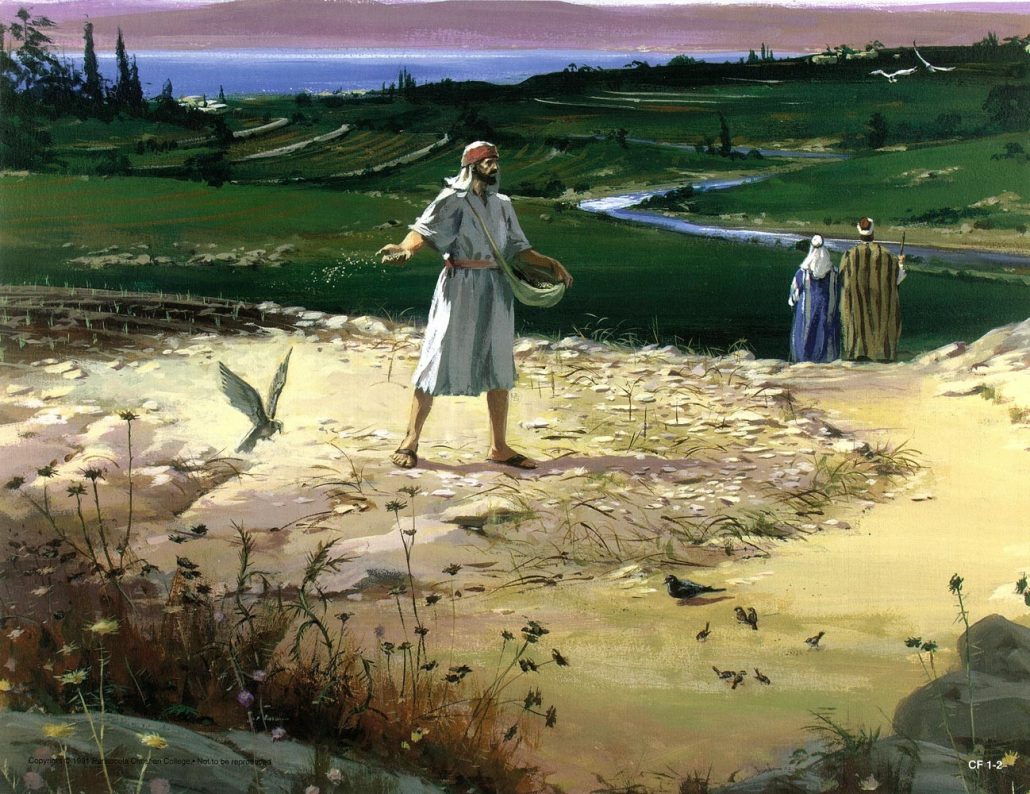
We all know the parable, at least its parts: a sower, seeds, birds, rocks, thorns, good soil. These are simple images that cloak a profound message. (See below for the full parable from Matthew 13:1-23.)
Finding The Deeper Meaning Of The Parable
Here is the key question: when we hear the parable are we simply gauging the nature of our soil, that is, the condition of our heart toward God? Are we critical and involved or, perhaps, indifferent to our personal condition and without any desire to change it? If so, then it’s over and out, just a nice story—let’s move on. Or, are we examining our heart with the desire to amend it with spiritual nutrients in order to better receive God’s word and reap its abundant harvest?
Please use the content below as a guide to a deeper understanding of the parable with the goal of drawing closer to God and living a more meaningful and fruitful life. If interested after reading, consider my website, The Abundant Life.
What Is The Abundance We Can Reap?
“The parable serves not just as a story, but as a roadmap for cultivating faith and embracing the transformative power of the Gospel message. Its enduring legacy lies in its continual invitation to self-reflection, growth, and engagement in the ongoing work of God.â€
(Source; The Parable of the Sower Explained: A Deep Dive into Seeds of Faith and Spiritual Growth)
1. Self-examination of your heart
• The parable invites you to honestly assess which “soil†best describes your current receptiveness to God’s Word.
• It exposes distractions, shallow roots, or competing priorities you may not realize are hindering your growth.
2. Encouragement toward spiritual maturity
• It shows that fruitfulness isn’t about instant results but about long-term faithfulness.
• It reminds us that perseverance through trials is a key marker of genuine faith.
3. Realistic expectations in sharing God’s Word
• It helps believers understand that not everyone will respond positively to the gospel.
• It prevents discouragement when you see mixed or slow results in ministry.
4. Awareness of spiritual opposition
• It alerts you to the ways the enemy (the “birdsâ€) tries to remove truth from your heart before it takes root.
• Recognizing these tactics equips you to guard your heart more effectively.
5. Clarity on what produces lasting change
• It shows that hearing God’s Word is not enough—understanding and living it out is what leads to fruitfulness.
• It keeps the focus on deep discipleship, not just emotional or surface-level responses.
6. Practical life alignment
• It challenges you to clear out “rocks†(shallow commitment) and “thorns†(worldly worries and pursuits) so God’s Word can thrive.
• It encourages setting rhythms—prayer, Bible study, fellowship—that nurture long-term growth.
How Are We To Reap This Abundance?
We reap abundance when we determine the modern equivalents of "birds," "rocks," "thorns," and "good soil" in our lives. Here is an explanation of these images and how they apply to our lives, today.
1. Birds – Stealing the Word Before It Takes Root
Biblical meaning: Jesus says the birds represent the evil one (Satan) who comes and snatches away the seed (God’s Word) before it can take root (Matt. 13:19).
In our lives:
• Distractions that pull us away the moment we hear God’s truth (phone buzzes, urgent work, social media scroll).
• Doubts and lies that immediately contradict God’s promises (“That’s not for you,†“God doesn’t really careâ€).
• Spiritual opposition that tries to keep us from understanding or remembering Scripture.
2. Rocks – Shallow Faith Without Depth
Biblical meaning: The rocky soil stands for those who receive the word with joy but have no root, so when trouble or persecution comes, they quickly fall away (Matt. 13:20–21).
In our lives:
• Emotional but temporary faith—getting excited about God in a service or event but not developing a deeper relationship.
• Lack of spiritual discipline—no consistent prayer, study, or fellowship to anchor us when life gets hard.
• Fear of rejection or criticism—wilting when our faith costs us socially, professionally, or relationally.
3. Thorns – Choking Growth Through Competing Priorities
Biblical meaning: The thorns are the cares of the world and the deceitfulness of wealth that choke the word, making it unfruitful (Matt. 13:22).
In our lives:
• Overloaded schedules—too busy to nurture faith because life is packed with work, sports, entertainment, errands.
• Pursuit of wealth or comfort—placing security, possessions, or status above God’s kingdom.
• Anxieties and worries—allowing fear to dominate rather than trusting God’s provision and promises.
4. Good Soil – Receptive and Fruitful Hearts
Biblical meaning: Good soil represents those who hear the word, understand it, and produce fruit—thirty, sixty, or a hundred times what was sown (Matt. 13:23).
In our lives:
• Humble and teachable spirit—open to correction and eager to grow.
• Consistent practice of spiritual disciplines—prayer, Scripture meditation, fellowship, and obedience.
• Perseverance—trusting God and holding on to His Word through good and bad seasons.
• Bearing fruit—showing love, patience, kindness, and leading others to Christ through both words and example.
Harvesting The Abundant Life
Ask and answer truthfully these questions: “What do I wish to harvest from my life? Do I want the abundance that only God gives? Am I committed to nurturing good soil?â€
The Parable of the Sower, Matthew 13:1-23 (English Standard Version)
That same day Jesus went out of the house and sat beside the sea. And great crowds gathered about him, so that he got into a boat and sat down. And the whole crowd stood on the beach. And he told them many things in parables, saying: “A sower went out to sow. And as he sowed, some seeds fell along the path, and the birds came and devoured them. Other seeds fell on rocky ground, where they did not have much soil, and immediately they sprang up, since they had no depth of soil, but when the sun rose they were scorched. And since they had no root, they withered away. Other seeds fell among thorns, and the thorns grew up and choked them. Other seeds fell on good soil and produced grain, some a hundredfold, some sixty, some thirty. He who has ears, let him hear.â€
“Hear then the parable of the sower: When anyone hears the word of the kingdom and does not understand it, the evil one comes and snatches away what has been sown in his heart. This is what was sown along the path. As for what was sown on rocky ground, this is the one who hears the word and immediately receives it with joy, yet he has no root in himself, but endures for a while, and when tribulation or persecution arises on account of the word, immediately he falls away. As for what was sown among thorns, this is the one who hears the word, but the cares of the world and the deceitfulness of riches choke the word, and it proves unfruitful. As for what was sown on good soil, this is the one who hears the word and understands it. He indeed bears fruit and yields, in one case a hundredfold, in another sixty, and in another thirty.â€